
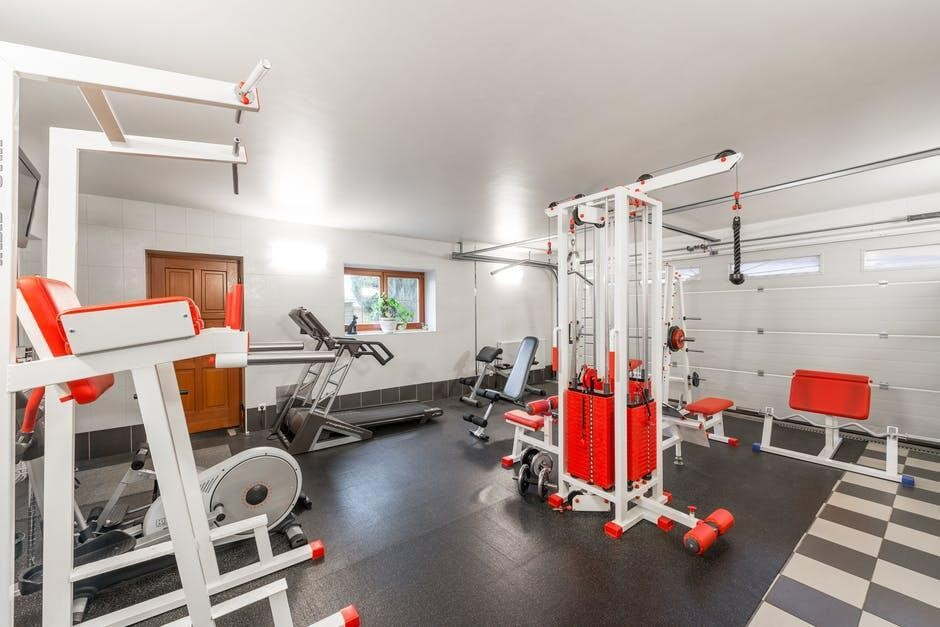
Setting up a home gym makes daily exercise easier. Having your equipment close by removes the need to travel, so you’re more likely to work out. You don’t need a huge room or expensive renovations to create a useful fitness space. With a little planning, you can turn any spare bedroom or quiet corner into something that fits your wellness goals.
Choosing The Ideal Location In Your House
Picking the right spot for your equipment can affect how often you work out. A spare bedroom, basement, or covered patio can work well for exercise. Good light and fresh air can make any space feel more inviting.
Noise matters too, especially if you’re using heavy weights or machines. Setting up above bedrooms can disturb others during early-morning workouts. A ground-floor or basement spot helps keep things quiet and more private.
Make sure your ceiling is high enough for overhead moves or jumps. Measure the space before you start to avoid hitting the ceiling during exercise. Choosing the right spot makes it easier to stay consistent.
Good airflow is also important, especially during intense cardio. Setting up near a window helps keep the room fresh and comfortable. When the space feels good, you’ll want to keep using it.
Selecting Gear Tailored To Your Height And Frame
Your body shape affects how comfortable you feel when moving during workouts. Tall exercisers require longer stride paths, so choosing SOLE Fitness or similar equipment gives tall users enough room to move naturally without feeling cramped. When exercise equipment fits your body, it helps you keep good posture and move naturally.
Feeling comfortable on your gear also makes you more likely to work out longer. If the equipment is the wrong size, it can throw off your stride and put stress on your hips. Investing in gear that works with your body type helps you stay in good form. It also prevents unnecessary strain on your joints.
Matching your equipment to your height makes each movement more effective. The right handgrip and pedal position reduce pressure on your knees, hips, and shoulders. Good equipment helps you move freely during every workout.
- Extended stride paths
- Adjustable incline controls
- Heavy steel frames
Managing Space Limits And Layout Design
Small workout rooms need smart layout choices to stay safe. Keep clear paths around heavy equipment to avoid tripping when switching exercises. Folding gear and wall-mounted racks save floor space when you’re done.
Protect your floors from heavy equipment. Thick rubber mats absorb impact and cut down on noise. A clean, organized space keeps you focused and clutter-free.
Set up equipment near wall outlets to avoid cords across the floor. Keep cables tucked along the walls for a neat, safe area. Good organization lets you switch exercises quickly and easily.
Wall mirrors make a small room feel bigger. They also help you check your form during lifts. Bright lighting improves visibility and keeps the space feeling open.
Protecting Your Joints With Low Impact Movement
Protecting your knees, hips, and ankles is key for staying active long-term. Elliptical machines give you a solid cardio workout without the harsh impact of hard floors. Harvard Medical School says ellipticals are low-impact and easier on your joints.
Keeping your joints healthy helps you stay consistent with your workouts. The smooth motion protects connective tissue and builds endurance for all fitness levels. Smart workout choices prevent soreness and keep exercise feeling good.
Low-impact cardio is also great for active recovery days. Mixing heavy strength training with lighter cardio sessions keeps your routine balanced. Gentle movements help your joints stay healthy year-round.
Controlled motions also let people with minor aches stay active. Light activity boosts circulation and helps muscles recover faster. Low-impact equipment keeps you moving forward safely.
Understanding The Health Power Of Daily Movement
Moving often during the week is good for your health. Even short bursts of activity in the morning and afternoon add up. A National Cancer Institute study found that people who moved the most had a 26% lower risk of cancer than those who moved the least.
Short workouts spread throughout your day can improve health without needing to hit the gym. Staying lightly active keeps your energy steady during busy days. Building simple habits makes fitness feel like a natural part of daily life.
Regular exercise also helps your immune system over time. Getting up from your desk often keeps your metabolism working. Small movement habits add up to big health benefits over the years.
Lowering Serious Risks Through Consistent Exercise
Regular exercise that gets your heart pumping is good for your health. Aerobic workouts make your heart stronger and improve blood flow at any age. The CDC says that if adults 40 and older got more moderate or intense activity, about 110,000 deaths could be prevented each year.
Sticking with weekly aerobic training lowers the risks that come with sitting too much. Daily activity builds heart strength and helps you focus during long workdays. Having easy workout options at home makes it simpler to reach your fitness goals.
Cardio also helps you sleep better and manage stress. Working out at home saves time, so it’s easier to stay consistent. Regular exercise builds lasting physical strength.
Designing A Space That Motivates Long-Term Habits
Room atmosphere influences exercise consistency month after month. Bright wall colors, inspiring wall art, and clear sound equipment turn basic workout spots into inviting retreats. Personalizing space details keeps internal motivation high when energy levels feel low.
Proper room lighting changes how energetic a space feels during workout sessions. LED strip lights or bright overhead fixtures create a lively mood for early morning workouts. Clear visibility keeps safety high while operating exercise equipment.
Keeping workout accessories organized on dedicated shelving unit shelves speeds up workout transitions.
Adding personal touches like workout record boards tracks daily progress visually. Celebrating small fitness milestones maintains momentum during long training programs. A dedicated room serves as a visual reminder of your health commitment.
Setting up a home gym that fits your needs can deliver lasting health benefits for years. Choose the right equipment, plan your space well, and focus on smooth, low-impact cardio to build a comfortable workout area. Simple home changes remove common barriers to exercise and help make physical activity a regular part of your life.
Want more tips, ideas, and useful info? Check out our blog for fresh insights and practical advice on all kinds of topics.