
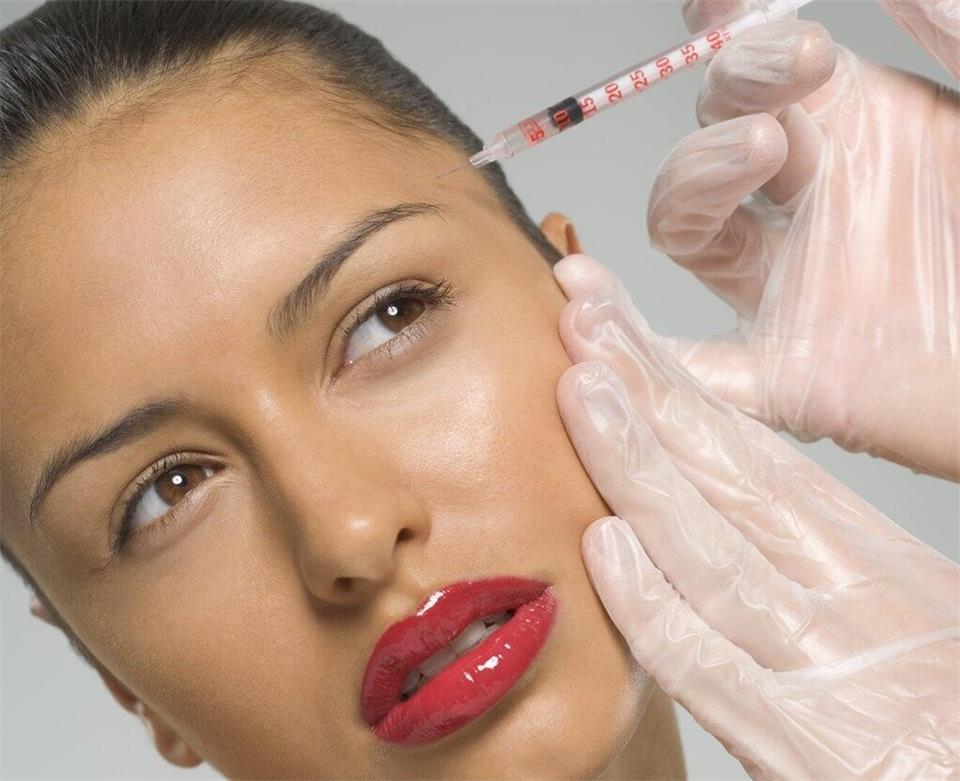
The conversation around aesthetic treatments is less about dramatic transformation and more about subtle maintenance. Many individuals now view certain cosmetic procedures as a routine part of self-care.
Botox has emerged as one of the most popular and widely accepted tools for managing the visible signs of aging. This article explores how it has moved from a fringe luxury to a normalized step.
Continue reading to discover everything you need to know!
The Evolution of Preventative Aesthetics
For decades, the world of cosmetic enhancement was associated with reactive measures. Today, the conversation has changed. Modern beauty routines are focused on prevention and maintenance, much like a fitness regimen or a skincare schedule.
Patients are no longer seeking a frozen or overly “done” appearance. Instead, they want to look like well-rested versions of themselves. This has led to a rise in “prejuvenation,” where younger individuals begin treatments in their late 20s or early 30s.
Understanding the Mechanism of Action
To understand why this treatment has become so ubiquitous, look at the science behind it. The skin is subject to two types of aging: intrinsic (genetic and chronological) and extrinsic (environmental factors like sun damage)
A contributor to wrinkles is the repetitive movement of underlying facial muscles. Every time we squint, frown, or raise our eyebrows, we crease the skin above those muscles.
Professional Botox injections target these specific muscles. The active ingredient is a purified protein that temporarily blocks the nerve signals that tell a muscle to contract. When the muscle is relaxed, the skin smooths out.
Integrating Injectables into the Daily Regimen
Topical skincare is excellent for surface-level concerns: hydration, pigmentation, texture, and barrier repair. Injectables manage the structural and mechanical causes of aging that creams simply cannot reach. A modern beauty routine might look something like this:
- Vitamin C
- SPF
- Retinol
- Quarterly visits to a medical professional
The treatment is not a replacement for good skin hygiene. Patients find that by relaxing the constant movement of the face, their makeup sits better, and their skincare products are absorbed more effectively into a smoother surface.
The “Less is More” Approach
Gone are the days of the “frozen face” stigma. The current trend in aesthetic medicine is the “micro-dose” or “Baby Botox” approach. This technique involves using smaller amounts of product spread across more injection points.
The result is a subtle softening of movement. This shift has made the procedure more accessible and appealing to a broader demographic.
It fits into a lifestyle that values efficiency and subtlety. When done correctly, the results are so subtle that friends and colleagues may notice a difference but cannot pinpoint what it is.
A Tool for Confidence, Not Vanity
The role of Botox allows individuals to manage the narrative of their aging process. Botox is a tool, much like a high-quality moisturizer or a laser treatment, that helps maintain the integrity of the skin and the symmetry of the face.
Its growing popularity suggests that the stigma surrounding aesthetic procedures is fading. It is no longer viewed solely as a luxury for the vain. The integration of professional treatments into standard beauty routines will likely become even more widespread.
Want to learn more about similar articles? Look no further.